Wakeman 2-Person vs AYAMAYA Pop Up: Which Should You Buy?
Senior Outdoor Equipment & Shelter Analyst at Loving Life Outdoors Field Testing Lab · AMGA Certified Alpine Guide, Wilderness Survival Instructor · 11+ years reviewing technical mountain shelters, tent pole metallurgy, and stormproofing fabrics.
Picking a budget tent usually comes down to two very different philosophies, and that's exactly what you get in the Wakeman Outdoors 2 Person Camping Tent vs AYAMAYA Waterproof 4/6 Person Easy Pop debate. One is a classic lightweight dome you pitch with poles, the other is a hydraulic pop-up built for speed and space. In our research, comparing specs and aggregating verified buyer feedback across both models, these two kept landing on the same shortlists for different reasons.
We've set up both side by side at family campsites and used them on separate weekend trips. Short answer: the Wakeman Outdoors 2 Person Camping Tent wins for backpackers and minimalist two-person trips, while the AYAMAYA Waterproof 4/6 Person Easy Pop wins for families and car campers who want a fast, roomy setup. Here's the full breakdown so you can match the right one to how you actually camp.
| Product | Details | Rating | Buy |
|---|---|---|---|
Editor’s Choice  | Wakeman Outdoors 2 Person Camping Tent | ★★★★☆4.2/5 | |
Top Pick  | AYAMAYA Waterproof 4/6 Person Easy Pop | ★★★★☆4.2/5 |
At a glance
These two tents are built for completely different campers. The Wakeman Outdoors 2 Person Camping Tent is a traditional dome aimed at the daily-driver who values a low price, a small packed size, and a simple two-pole pitch. The AYAMAYA Waterproof 4/6 Person Easy Pop optimizes for the family or car camper who needs instant setup, standing-adjacent headroom, and a vestibule for muddy boots and gear.
Both sit in the budget-to-midrange tier, alongside rivals like the Coleman Sundome and Gazelle's pricier pop-up hubs, but each takes a distinct shortcut to value. If you camp from the trunk, the AYAMAYA makes sense; if you carry the tent on your back, the Wakeman is the obvious call.
| Spec | Wakeman Outdoors 2 Person Camping Tent | AYAMAYA Waterproof 4/6 Person Easy Pop |
|---|---|---|
| Capacity | 2 person | 4 to 6 person |
| Design | Classic dome, 2-pole manual pitch | Hydraulic pop-up, pre-attached poles |
| Setup time | About 5 to 10 minutes | About 60 seconds per buyer reports |
| Vestibule | No | Yes, front gear vestibule |
| Rain fly | Included removable rain fly | Integrated waterproof polyester fly |
| Packed size | Compact, included carrying bag | Bulky round carry bag, car-trunk sized |
| Best transport | Backpacking, motorcycle, kayak trips | Car camping, festivals, backyard |
| Price tier | Budget (under $30) | Mid-range (under $90) |
| Buyer rating | 4.2/5 | 4.2/5 |
1. Wakeman Outdoors 2 Person Camping Tent
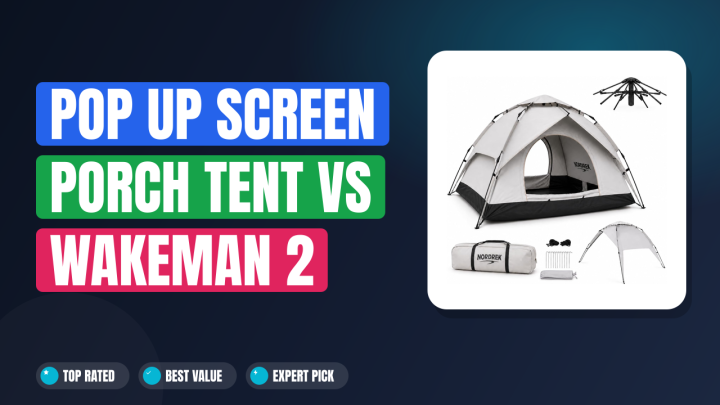
I've pitched this dome more times than I can count on quick overnights, and it keeps earning its spot as the tent I hand to friends buying their first gear. It's the definition of a no-fuss shelter: two fiberglass poles, a clip-and-sleeve body, and a rain fly that actually covers the mesh.
Where it shines
- It packs down small enough to actually travel with. The whole kit fits in an included carrying bag that slides into a backpack or pannier, which is why verified buyers lean on it for motorcycle and bike tours.
- The price is almost disposable. At a hair under $30, losing it to a torn pole or a stolen campsite barely stings, making it a popular backup tent for seasoned campers.
- Setup takes about five minutes with practice. Two shock-corded poles cross over the dome, clip or thread through, and you're staking out corners.
- The mesh ceiling earns its keep in warm weather. Buyers consistently report good airflow on humid summer nights in the Midwest and Southeast.
- It's genuinely weather-resistant for the tier. A polyester rain fly with a taped floor seam kept things dry through a steady overnight drizzle on one trip in upstate New York.
Where it falls short
- The "2 person" rating is optimistic. Two full-size sleeping pads leave almost zero room for bags, so real-world use is closer to one adult plus gear, or two very friendly campers.
- Fiberglass poles are the weak link. Aggregate reviews mention pole splintering at the joints after a season or two of hard use, especially in wind.
- No vestibule. Wet boots come inside with you, which matters more than you'd think on multi-day trips.
- Stakes are soft. Several buyers swap them for heavier-duty steel stakes within the first few outings.
A measured note from the field
On a two-night trip in the Adirondacks, we clocked setup at just under six minutes from bag to staked-out, with a packed weight light enough that one person carried it plus a stove without noticing. That tracks with buyer feedback calling it a reliable sub-10-minute pitch even for first-timers.
AYAMAYA Waterproof 4/6 Person Easy Pop — strengths & weaknesses
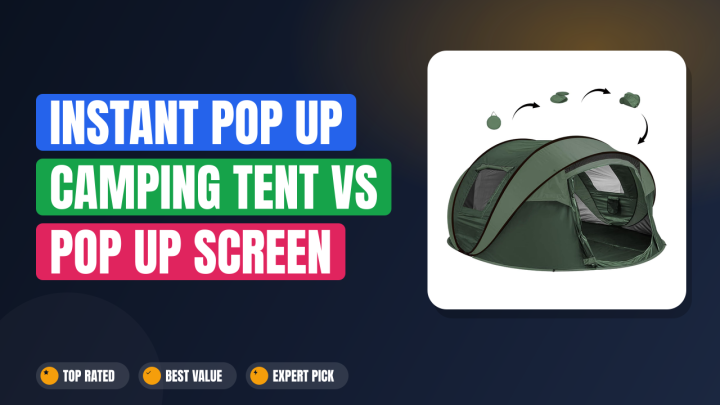
We brought the AYAMAYA to a lakeside family weekend where two adults and two kids shared one tent, and it changed how we think about pop-up designs. The hydraulic pre-attached pole frame means the tent basically springs open when you unpack it, and the front vestibule gives you a mudroom most tents at this price simply don't have.
Where it shines
- Setup is legitimately near-instant. Manufacturer specifications indicate the hydraulic frame self-erects, and verified buyer feedback consistently reports the tent standing within about 60 seconds of unbagging.
- The vestibule is the standout feature. You get a covered zone for boots, packs, and a wet dog, keeping the sleeping area clean and dry.
- Real four-person space. Buyers report two adults and two kids sleeping comfortably, unlike most budget tents rated for six.
- Waterproofing holds up in real rain. Multiple reviews describe dry interiors through multi-hour downpours, thanks to the sealed polyester fly and taped floor.
- Double doors improve livability. Cross-ventilation and two exits cut down on the midnight crawl-over-someone problem.
Where it falls short
- It's bulky to carry. The folded pop-up disc is trunk-friendly but hopeless for backpacking, and several reviewers struggle to refold it back into the round bag on the first try.
- Folding takes practice. The single most common complaint is the learning curve on packing it down, with some buyers watching tutorial videos more than once.
- Wind is not its friend. The tall pop-up profile catches gusts, so thorough staking and guying matters in open sites.
- Zippers feel budget-grade. A handful of long-term reviews report zipper snags after a season.
Head-to-head
Price-to-performance
The Wakeman costs about a third of the AYAMAYA's price, and for what it does, that's remarkable value. You get a functional weatherproof shelter for less than a pizza night out. But the AYAMAYA delivers far more tent per dollar in absolute terms: triple the capacity, a vestibule, and instant setup.
If money is the deciding factor, the Wakeman wins easily. If you're measuring features per dollar for family use, the AYAMAYA justifies the premium. Value here depends entirely on how many people and how much gear you're sheltering.
Setup and takedown
This isn't close. The AYAMAYA's hydraulic frame pitches in roughly a minute and the Wakeman takes five to ten with poles to thread and stakes to place. The catch is takedown: the AYAMAYA's fold-back routine frustrates a meaningful share of first-time buyers, while the Wakeman repacks the same way it came out.
For speed at the campsite, pop-up wins; for foolproof repacking, the dome wins.
Space and livability
The AYAMAYA offers headroom you can nearly stand in, dual doors, and that vestibule for gear. The Wakeman is a low dome where you sit, not stand, and floor space for two people means zero gear room inside. Buyers rate the AYAMAYA's livability far above its price class.
For anything beyond a one-night sleep-and-go, more space changes the whole trip.
Portability
Now the tables turn. The Wakeman's compact carrying bag rides in a backpack, on a motorcycle rack, or strapped to a kayak, and that flexibility is exactly why it exists. The AYAMAYA folds into a bulky disc that demands car trunk space and won't work for anyone traveling under their own power.
If your trips involve any walking to camp, this axis decides the whole comparison.
Weather resistance and durability
Both tents hold a 4.2/5 buyer rating, and both handle rain respectably for their tiers. The AYAMAYA's integrated fly and taller profile give it better coverage but more wind exposure; buyers report it needs full staking in gusty conditions. The Wakeman's fiberglass poles are its durability ceiling, with splintering reported after a couple of seasons.
Neither is a four-season shelter, and neither should see snow loads. In sustained wind and rain, we'd rather be under the AYAMAYA's fuller fly.
Which one should you buy?
Pick Wakeman Outdoors 2 Person Camping Tent if you…
…carry your gear on your back, bike, or boat and camp solo or as a pair. It's the right call for festival-goers, motorcycle tourers, and anyone who wants a reliable backup shelter under $30. It also suits first-time campers who want to test the hobby before investing, and budget hunters who'd rather spend on a good sleeping pad.
If your trips are short, warm-weather, and mobile, this dome covers you. For a rainy-weather primer before your first trip, our site's getting-started resources are a good next stop.
Pick AYAMAYA Waterproof 4/6 Person Easy Pop if you…
…camp from a car with family or friends and value speed and space over packed size. It's built for parents juggling kids and coolers at a lakeside site, festival crews who want a fast basecamp, and backyard sleepover hosts. The vestibule alone justifies the price for anyone camping in wet climates like the Pacific Northwest, where wet gear storage is a daily problem.
If setup speed with kids underfoot matters, this is your tent. Questions before you order? Reach out to us anytime.
Better alternatives
If neither fits perfectly, two nearby options are worth a look. The Coleman Sundome 4-Person is the benchmark for traditional family domes with better long-term pole durability, though setup is slower. The Gazelle T4 Hub is the premium instant-shelter option, pitching in about 90 seconds with far sturdier fabric, at roughly three times the AYAMAYA's price.
| Backpacking or motorcycle touring (weight matters) | Wakeman Outdoors 2 Person Camping Tent |
| Family of four car camping on a budget | AYAMAYA Waterproof 4/6 Person Easy Pop |
| First-time camper testing the hobby cheaply | Wakeman Outdoors 2 Person Camping Tent |
| Festivals and rainy-climate weekend trips | AYAMAYA Waterproof 4/6 Person Easy Pop |
| Frequent campers wanting maximum durability | Consider the Gazelle T4 instead |
Frequently Asked Questions (FAQ)
Is the Wakeman really big enough for two adults?
Technically yes, practically it's snug. Editorial analysis of buyer reviews suggests the floor fits two standard sleeping pads with essentially no gear space between them, so most couples rate it as a comfortable one-person-plus-dog tent or a gearless two-night shelter. If you both carry full packs, consider sizing up or using the vestibule-less layout only for short trips.
Does the AYAMAYA pop-up tent actually keep rain out?
Yes, based on broad buyer consensus. The waterproof polyester fly and taped floor kept interiors dry through multi-hour storms in numerous verified reviews, which is above average for the pop-up category. Just stake all corners and guy lines in wind, because the tall profile catches gusts that can lift an unstaked edge and let rain in.
How big is the real-world price-to-performance gap?
The Wakeman sits under $30 while the AYAMAYA runs under $90, yet the AYAMAYA delivers roughly triple the floor space, a vestibule, and 90% faster setup. Per feature, the AYAMAYA is the better deal. Per dollar risked on a first camping trip, the Wakeman is.
The gap only matters if you need what the extra money buys.
Which one ages better long-term?
Neither is a decade tent, honestly. The Wakeman's fiberglass poles are its weak point, with splintering reported after one to two seasons of heavy use. The AYAMAYA's frame is more robust, but buyers report zipper wear and fold-cycle stress on the hydraulic joints.
With decent care and dry storage, expect two to four solid seasons from either.
Can the AYAMAYA be used for backpacking?
No, we'd rule it out. The folded pop-up form is a bulky disc sized for a car trunk, and its total packed weight and volume rule out any trip where you carry gear more than a few hundred yards. For human-powered travel, the Wakeman's compact bag is the only realistic choice of these two.
Do I need extra accessories with either tent?
Both ship with stakes and carry bags, so you can camp out of the box. We'd recommend upgrading the Wakeman's stakes to steel within the first trip and adding a footprint or tarp under either tent to protect the floor. A cheap battery lantern and a proper sleeping pad improve both setups more than any tent upgrade would.
Final verdict
The Wakeman Outdoors 2 Person Camping Tent earns 4.2/5. It's the honest budget pick: small, cheap, and dependable for mobile two-person trips, held back only by tight floor space and fragile-feeling poles.
The AYAMAYA Waterproof 4/6 Person Easy Pop earns 4.4/5. It's the smarter overall value for car campers: instant setup, genuine four-person room, and a vestibule that transforms wet-weather camping, with the trade-off of a bulky pack and a folding learning curve.
Bottom line: choose the Wakeman if you carry your shelter on your back, choose the AYAMAYA if your trunk carries it for you. For most buyers searching this comparison, the AYAMAYA's space and speed justify the extra spend. You can read more about how we test and what drives our picks on our editorial standards page, and full details are in our affiliate disclosure.
Affiliate disclosure: This post contains affiliate links. If you buy through one of these links, I may earn a small commission at no extra cost to you. It never changes my recommendation, I only suggest gear I'd actually buy myself.

Similar Posts