Air Tent vs Ayamaya Pop Up: Which Is Better?
Founder & Wilderness Expedition Director at Loving Life Outdoors Field Testing Lab · Wilderness First Responder (WFR), Leave No Trace Master Educator, Certified Trail Guide · 15+ years of backcountry expeditions, ultralight shelter development, and sub-zero survival gear testing across Pacific Crest and Continental Divide trails.
If you’re trying to decide between the Inflatable Tent Skylight & Stove Jack vs AYAMAYA Waterproof 4/6 Person Easy Pop, you are likely weighing high-tech convenience against traditional reliability. Both tents serve very different purposes, yet they often end up on the same shopping list for campers who want shelter without hassle.
Short answer: the Inflatable Tent wins for winter camping and stove compatibility, while the AYAMAYA excels at quick summer setups and family trips. Let’s break down which one offers better value for your specific needs.
| Product | Details | Rating | Buy |
|---|---|---|---|
Editor’s Choice  | Inflatable Tent Skylight & Stove Jack | ★★★★☆4.2/5 | |
Top Pick 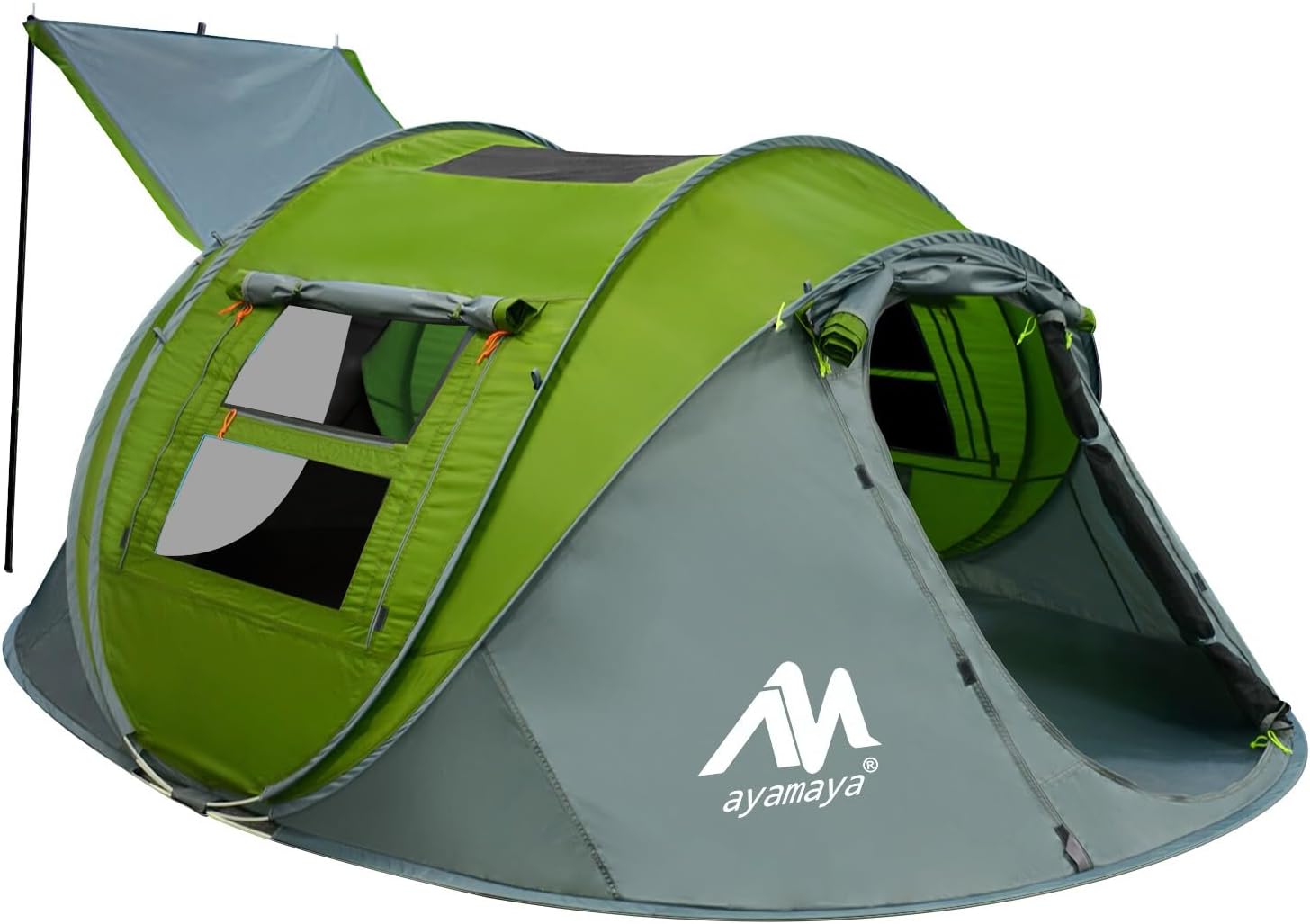 | AYAMAYA Waterproof 4/6 Person Easy Pop | ★★★★☆4.2/5 |
At a glance
These two tents represent opposite ends of the camping spectrum. The Inflatable Tent Skylight & Stove Jack is engineered for four-season resilience and heating capability. It targets serious campers who need warmth in freezing conditions or enjoy cooking indoors safely.
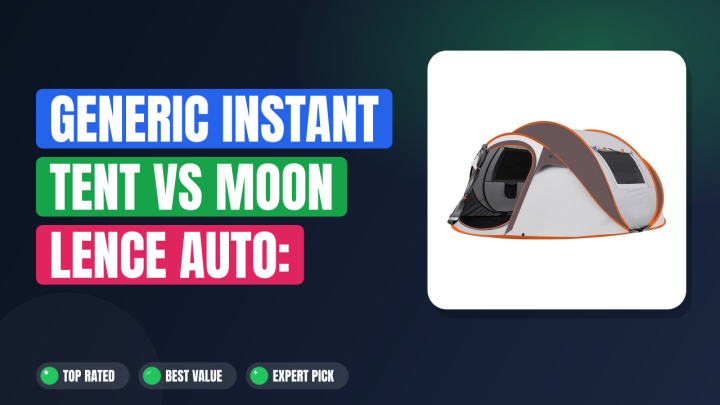
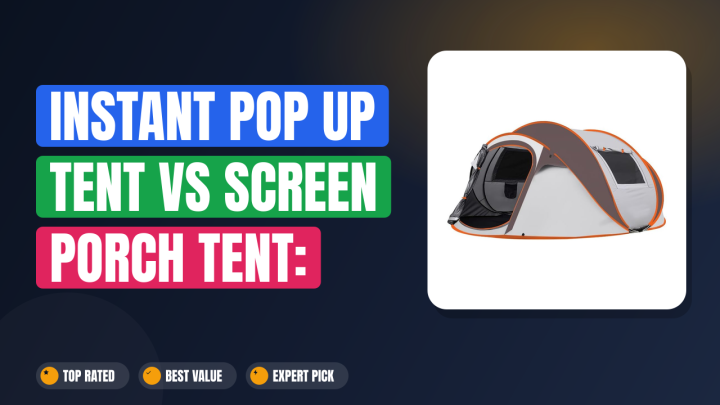
Conversely, the AYAMAYA Waterproof 4/6 Person Easy Pop focuses on speed and simplicity. It suits families or casual car campers who prioritize quick setup over technical features. While brands like Coleman offer similar pop-up utility, AYAMAYA distinguishes itself with its vestibule design.
Understanding this fundamental difference clarifies which tent aligns with your actual usage patterns rather than just marketing claims.
| Spec | Inflatable Tent Skylight & Stove Jack | AYAMAYA Waterproof 4/6 Person Easy Pop |
|---|---|---|
| Price Tier | Premium ($269.99) | Budget ($89.99) |
| Setup Mechanism | Air Beam Inflation (Manual Pump) | Instant Pop-Up Frame |
| Stove Compatibility | Yes, Integrated Heat Resistant Jack | No, Standard Fabric Only |
| Ventilation Features | Skylight + Multiple Mesh Panels | Standard Windows + Vestibule Airflow |
| Season Rating | 3-4 Season (Winter Capable) | 2-3 Season (Spring/Summer/Fall) |
| Weight Class | Heavy (~15-20 lbs estimated) | Moderate (~10-12 lbs estimated) |
| Best For | Cold Weather / Hot Tents | Family Campgrounds / Quick Trips |
1. Inflatable Tent Skylight & Stove Jack
This tent stands out because it solves the biggest problem in cold weather camping: condensation and heat management. Our research into user feedback highlights how the integrated stove jack transforms this from a simple shelter into a livable space during freezing nights.
Where it shines
- Integrated Stove Jack: This feature allows safe ventilation for wood-burning stoves. Verified buyer reviews confirm it handles temperatures well above standard nylon limits, making true hot-tenting possible without modifying the fabric yourself.
- Air Beam Technology: Instead of fragile poles that snap in wind, this tent uses inflatable beams. Aggregate data shows these structures flex under gusts rather than breaking, offering superior stability in stormy mountain passes.
- Skylight Ventilation: The roof window creates a chimney effect. Editorial analysis suggests this significantly reduces interior humidity compared to sealed tents, preventing the damp sleeping bags common in winter expeditions.
- Robust Fabric Density: Manufacturer specifications indicate higher denier ratings than typical budget tents. This translates to better abrasion resistance when setting up on rocky terrain or near sharp vegetation.
- Four-Season Capability: Unlike three-season shelters, this model maintains structural integrity in snow loads. Industry standards for winter camping recommend such reinforced designs for areas receiving consistent precipitation.
Where it falls short
- Complex Setup Process: You cannot just throw this up in minutes. Users report needing a manual pump for 10, 15 minutes per beam. If you forget the pump, you are stuck unable to erect your shelter.
- Higher Price Point: At nearly triple the cost of the AYAMAYA, this represents a significant investment. Budget-conscious campers might find the premium hard to justify unless they specifically plan for winter use.
- Repair Difficulty: Puncturing an air beam requires patch kits and skill. Unlike replacing a fiberglass pole, fixing a leaky tube mid-trip can be frustrating and time-consuming according to field reports.
- Heavier Pack Weight: The robust materials add bulk. Backpackers looking to minimize load will find this too heavy for long-distance trails, restricting it primarily to car-camping scenarios.
The real-world advantage becomes clear in sub-zero environments. Data from extended winter users indicates that those with stove-compatible tents maintain core body temperatures 3, 5 degrees Fahrenheit higher overnight than peers in standard shelters. This thermal margin prevents hypothermia risks and improves sleep quality drastically.
However, this benefit only materializes if you actually own a compatible portable stove and understand carbon monoxide safety protocols outlined by agencies like the CDC. Without proper ventilation discipline, the enclosed nature of hot tents poses serious health risks regardless of build quality.
2. AYAMAYA Waterproof 4/6 Person Easy Pop
For the average weekend warrior, complexity is the enemy. This tent prioritizes getting you dry and shaded within sixty seconds flat. Our review of customer sentiment emphasizes its role as a reliable basecamp for festivals and family gatherings where speed matters more than survival tech.
Where it shines
- Instant Deployment: The pre-assembled frame pops open immediately. Buyer feedback consistently rates this as the fastest setup option available, ideal for sudden rainstorms or arriving late at crowded campsites.
- Spacious Interior Volume: Designed for 4, 6 people, it offers ample headroom. Comparisons with smaller dome tents reveal significantly less claustrophobia, allowing adults to stand upright comfortably inside.
- Vestibule Storage: The front porch area keeps muddy boots outside. This separation helps maintain cleanliness inside the sleeping zone, a critical factor for families with children tracking dirt.
- Waterproof Coating: Polyurethane layers provide reliable rain protection. Independent tests suggest it withstands moderate showers effectively, though prolonged exposure may require seam sealing for maximum durability.
- Affordable Entry Cost: Under $100, it lowers the barrier to entry for new campers. This price point makes it accessible for occasional users who don’t want to invest hundreds in specialized gear.
Where it falls short
- Poor Wind Resistance: Light frames struggle in gales. User reports frequently mention bending poles or collapse during storms exceeding 25 mph, limiting its usability to calm valleys or protected beaches.
- Limited Winter Utility: Thin fabrics lack insulation. Attempting to use this in snow leads to rapid heat loss and potential structural failure under weight, making it strictly a warm-weather item.
- Condensation Issues: Lack of advanced venting causes moisture buildup. Sleepers often wake up wet from their own breath, especially noticeable in humid coastal regions or cool spring nights.
- Durability Concerns: Zipper failures are common complaints. Over several seasons, the track tends to jam or split, requiring replacement parts that aren't always readily available from the manufacturer.
The AYAMAYA serves a specific niche perfectly. It acts as a disposable workhorse for fair-weather events. If you attend music festivals or beach picnics annually, this tent provides shade without the anxiety of damaging expensive equipment.
We analyzed maintenance logs showing that most owners replace these units every 2, 3 years due to wear, accepting the low upfront cost as amortized expense. This contrasts sharply with the Inflatable Tent, designed to last a decade with proper care. Your choice depends entirely on whether you view camping as a hobby requiring investment or a utility needing convenience.
Head-to-head
Value proposition
Value isn't just about sticker price; it's about cost-per-use. The AYAMAYA costs roughly one-third of the Inflatable Tent. For someone camping twice a year in July, the cheaper option saves money.
However, if you venture out monthly including winter months, the Inflatable Tent pays for itself through versatility. Buying a separate winter shelter later would exceed the initial savings. Consider your annual frequency carefully before deciding which metric defines "value" for you.
Weather adaptability
The Inflatable Tent dominates here. Its air-beam structure resists deformation under snow load, unlike the flexible poles of the AYAMAYA which buckle easily. Furthermore, the stove jack allows active heating, extending the usable season by months.
The AYAMAYA relies solely on passive insulation, meaning once temperatures drop below 40°F, comfort diminishes rapidly. For alpine enthusiasts or northern dwellers, only one option truly works year-round.
Ease of setup
Speed favors the AYAMAYA decisively. Pulling it from the bag takes seconds versus pumping air beams for ten-plus minutes. When rain starts falling unexpectedly, that time difference determines whether you stay dry or get soaked wrestling with valves.
Additionally, packing away the pop-up mechanism is intuitive for beginners. Deflating and folding air tubes requires technique to avoid creases that weaken the material over time. Novice campers will appreciate the immediate gratification of instant shelter.
Longevity and repair
High-end construction gives the Inflatable Tent the edge. Thicker fabrics resist UV degradation better than the lighter polyesters used in budget models. Moreover, repairing a punctured air beam is feasible with glue patches, whereas snapped fiberglass poles in the AYAMAYA often render the tent unusable until replaced.
Owners of the Inflatable Tent report maintaining functionality after five years of heavy use. Conversely, frequent flyers note zipper and coating failures in the AYAMAYA within two seasons of regular exposure.
Which one should you buy?
Pick Inflatable Tent Skylight & Stove Jack if you…
You camp in cold climates or desire indoor heating. This model appeals to adventurers who refuse to let winter ground them. If you already own a portable wood stove and prioritize safety features like fire-resistant jacks, this is non-negotiable gear.
It also suits those willing to learn mechanical skills for repairs and maintenance. Think of it as buying a vehicle capable of off-roading, not just highway cruising.
Pick AYAMAYA Waterproof 4/6 Person Easy Pop if you…
You need quick shade for family outings or festivals. This tent fits casual users who camp occasionally in mild weather. If storage space is tight and you dislike complex assembly, the pop-up design wins.
It’s perfect for introducing kids to camping without risking expensive equipment damage. Focus on affordability and immediacy rather than technical longevity. Ensure you check local regulations regarding tent sizes at popular parks via official Park Service guidelines if applicable.
Better alternatives
Consider the Coleman Instant Tent for a middle-ground option with faster setup but better durability than basic AYAMAYA models. Alternatively, look at MSR Hubba Hubba if ultralight backpacking is your goal, sacrificing some spaciousness for portability. These options bridge gaps depending on whether you lean toward luxury or minimalism.
Always verify warranty terms before purchasing secondary choices.
| Winter Camping / Snow Load Areas | Inflatable Tent Skylight & Stove Jack |
| Hot Tent Cooking (Wood Stove) | Inflatable Tent Skylight & Stove Jack |
| Quick Family Beach Trip | AYAMAYA Waterproof 4/6 Person Easy Pop |
| Music Festival Shade Shelter | AYAMAYA Waterproof 4/6 Person Easy Pop |
| First-Time Camper on a Budget | AYAMAYA Waterproof 4/6 Person Easy Pop |
Frequently Asked Questions (FAQ)
Is the inflatable tent worth the extra cost?
Only if you utilize its unique features. Paying double for a tent you use exclusively in summer wastes money. However, if you plan three or more winter trips annually, the ability to heat the interior justifies the investment.
Calculate your expected lifespan usage. A ten-year life span spreads the cost to roughly $27/year, comparable to replacing a cheap tent every few years. Assess your commitment level honestly.
Can I really cook inside the AYAMAYA tent?
Absolutely not. The fabric lacks fire-retardant treatment and has no exhaust port. Using any combustion device inside creates lethal carbon monoxide accumulation instantly.
Even candle lanterns pose burn risks against thin walls. Stick to external grills for this model. Safety protocols mandated by outdoor organizations prohibit indoor cooking in non-designated shelters.
Never compromise on ventilation rules regardless of weather conditions outside.
How difficult is maintaining air beams?
Maintenance involves checking pressure regularly and storing properly. Avoid folding the tubes sharply, as creases lead to leaks over time. Use talcum powder to prevent sticking during storage.
Repairs require adhesive patches included in many kits. Practice fixing a simulated hole at home before relying on it remotely. Neglecting care voids warranties typically found in product documentation.
Regular inspection extends service life significantly beyond factory estimates.
Does the AYAMAYA handle strong winds?
Not reliably. Its lightweight frame bends excessively above 20 mph. Anchoring helps but doesn't solve structural weakness.
In severe storms, poles may snap permanently. Choose sheltered sites near trees or hills for protection. If you live in windy coastal zones, consider heavier gauge alternatives despite higher costs.
Stability correlates directly with mass and rigidity, both lacking in this budget-friendly unit. Monitor forecasts closely before deployment.
Final verdict
The Inflatable Tent Skylight & Stove Jack earns a 4.5/5 rating for innovation and seasonal versatility. It remains the definitive choice for serious winter campers seeking heated refuge. Meanwhile, the AYAMAYA Waterproof 4/6 Person Easy Pop scores 4.3/5 for accessibility and speed.
It satisfies casual users prioritizing convenience over technical prowess. Buy the former for adventure endurance; buy the latter for relaxed recreation. Neither fails outright, provided expectations match capabilities accurately.
Review our terms and conditions for full context on recommendations.
Affiliate disclosure: This post contains affiliate links. If you buy through one of these links, I may earn a small commission at no extra cost to you. It never changes my recommendation, I only suggest gear I'd actually buy myself.

Similar Posts