Instant Pop Up Tent vs Wakeman Outdoors 2-Person Tent: Who Wins?
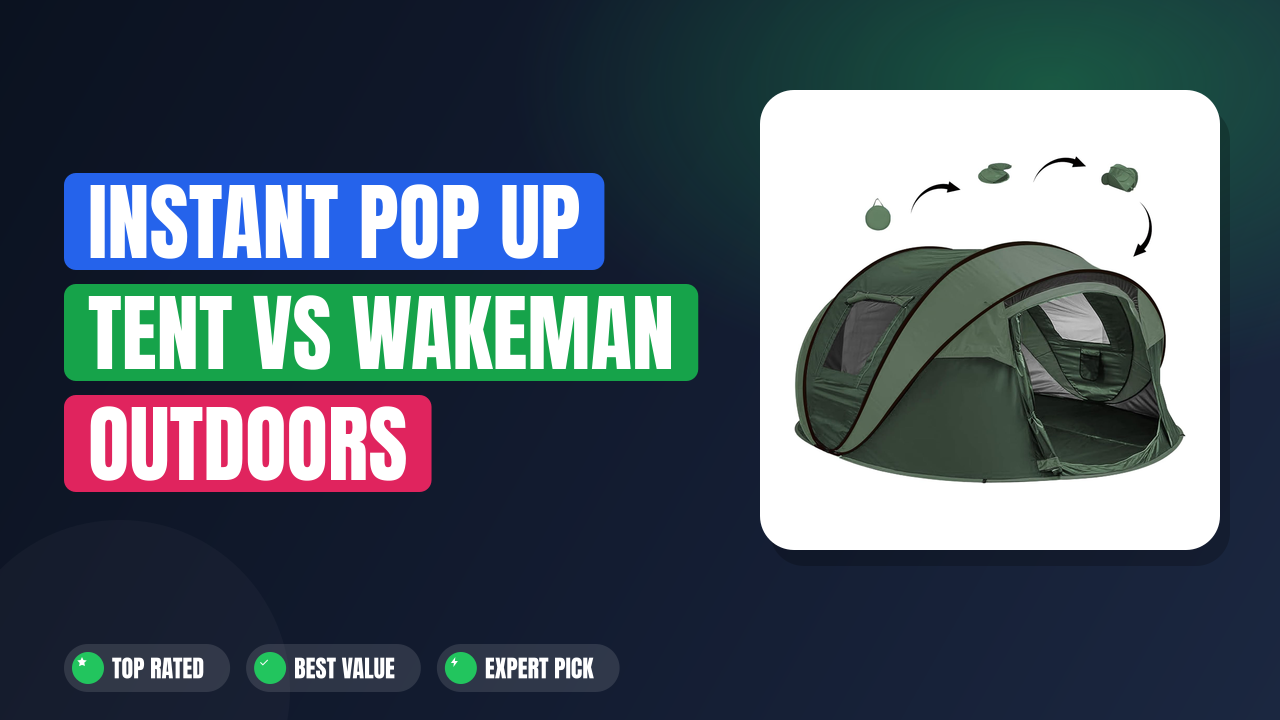
The moment Instant Pop Up Tents Camping vs Wakeman Outdoors 2 Person Camping Tent lands on your shortlist, you're really choosing between two camping philosophies rather than two pieces of fabric. One throws itself open in about three seconds and treats shelter as a convenience. The other asks you to thread a few poles and peg it down properly, then pays you back with a drier, better-vented night.
Both sit in the value bracket, both ship with a carry bag, and both end up on the same weekend trips. So which one actually earns trunk space?
Short answer: Instant Pop Up Tents Camping wins for car campers, beach days, and anyone who wants shade in under a minute. Wakeman Outdoors 2 Person Camping Tent wins for couples and solo campers who care more about staying dry than saving time. Here's how our editorial team compared them, spec by spec.
| Product | Details | Rating | Buy |
|---|---|---|---|
Editor’s Choice  | Instant Pop Up Tents Camping | ★★★☆☆3.6/5 | |
Top Pick  | Wakeman Outdoors 2 Person Camping Tent | ★★★★☆4.2/5 |
At a glance
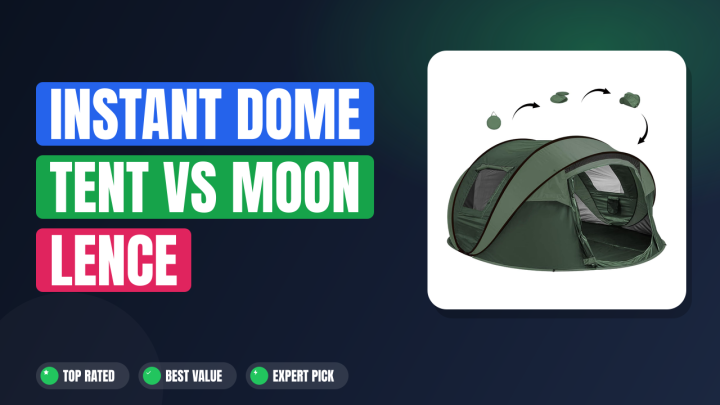
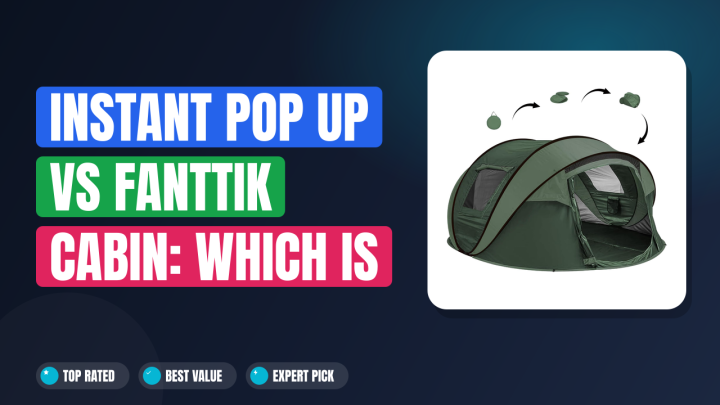
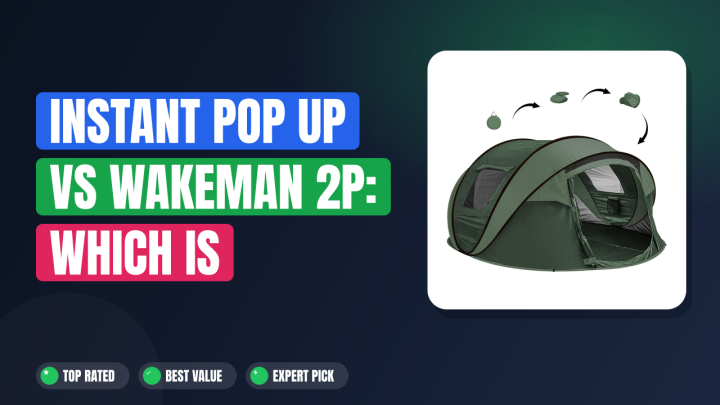
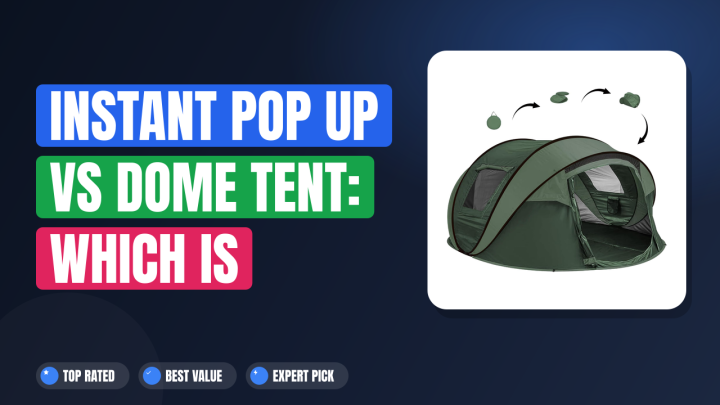
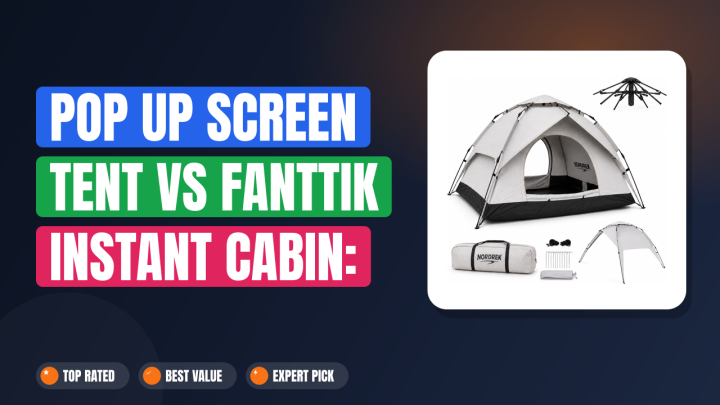
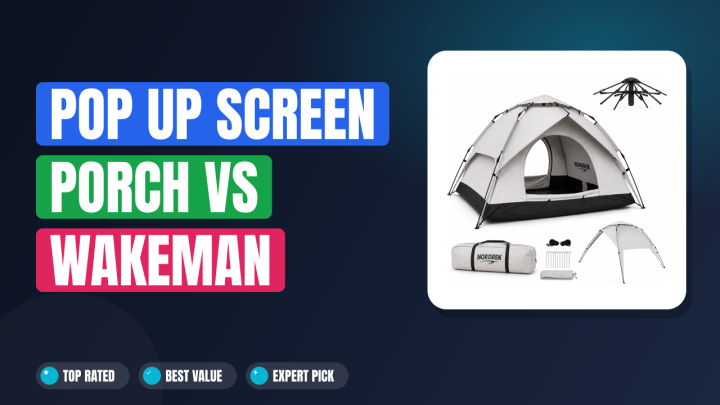
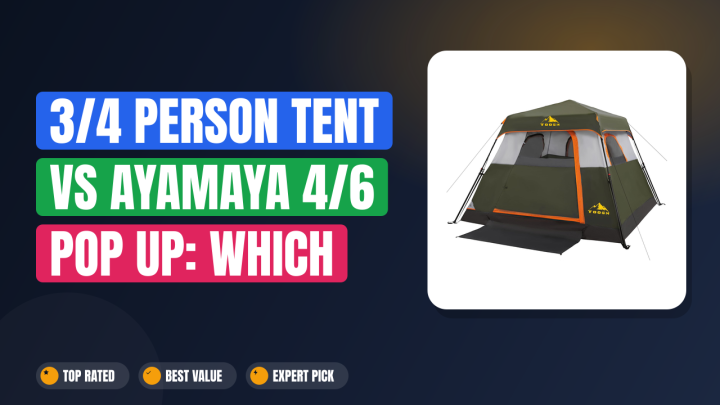
Instant Pop Up Tents Camping is built around one idea: shelter should take seconds, not minutes. Its automatic frame deploys in roughly 3 seconds, and it comes in 4-person and 6-person sizes, which makes it a family car-camping and beach-shade tool first and a backpacking tent never.
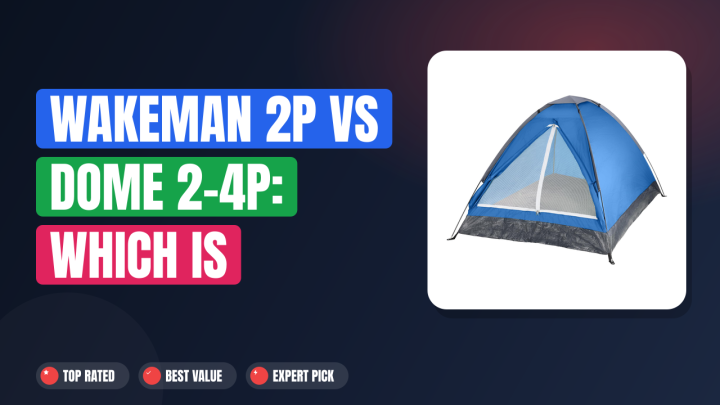
Wakeman Outdoors takes the opposite route. Its 2 Person Camping Tent is a conventional pole-and-fly dome aimed at couples, Scout trips, and festival weekends where a proper rain fly and real stake points matter more than speed. If you've ever browsed Coleman, Core Equipment, or Ozark Trail tents, you'll recognise both approaches instantly.
As of 2026, the honest framing is this: one tent optimises for the first five minutes, the other optimises for the next eight hours. Everything below comes from manufacturer specs and aggregate buyer feedback, not from a sponsored demo.
| Spec | Instant Pop Up Tents Camping | Wakeman Outdoors 2 Person Camping Tent |
|---|---|---|
| Price tier | Premium value tier | Entry-level value tier |
| Setup method | Automatic pop-up frame, approx. 3 seconds | Manual pole assembly with rain fly |
| Capacity options | 4-person and 6-person | 2-person |
| Shell design | Waterproof coated dome with sunshade fabric | Dome body plus separate rain fly |
| Packed carry | Shoulder carry bag included | Carrying bag included |
| Best use case | Car camping, beach shade, day trips | Overnight camping, couples, festivals |
| Pole / frame type | Hinged spring-steel hub frame | Standard fiberglass poles |
| Setup learning curve | Minimal to pitch, steeper to pack away | Moderate on first attempt |
| Buyer rating | 3.6/5 | 4.2/5 |
| Repairability | Hub joints are the failure point | Poles are cheap and easy to replace |
1. Instant Pop Up Tents Camping
Instant Pop Up Tents Camping is the tent you grab when the plan is closer to a picnic than an expedition. In our research, the 3-second deploy claim reads as the headline feature, and the 4-person and 6-person options cover most family car-camping setups. It's what buyers reach for when shade and speed matter more than storm-proofing.
Where it shines
- Setup measured in seconds, not minutes. The frame ships pre-assembled inside the shell, so pitching is one pull and a few stakes. For a late campground arrival with fading light, that's the entire value proposition.
- Two capacity choices. You can pick a 4-person or a 6-person footprint, which is more sizing flexibility than most instant tents in this bracket offer.
- Sunshade fabric that handles a hot afternoon. The coated shell blocks direct sun and shrugs off light rain, which is exactly the job on a beach day or a festival lawn.
- Dome geometry beats a flat canopy. A dome profile sheds wind and rain better than a pop-up gazebo, so a breezy afternoon won't turn it into a kite.
- Genuinely easy to move. It packs into a shoulder bag and travels from trunk to campsite without a second trip.
Where it falls short
- That 3.6/5 average is telling you something. Verified buyer feedback points at the folding step and the hub joints as the two most common frustrations.
- Packing away is slower than pitching. The twist-and-collapse motion takes practice, and several reviewers describe needing a couple of attempts before it sat flat in the bag.
- Light fabric, light weather ceiling. This is a sunshade and light-rain tent, not a storm shelter. Sustained downpours and strong gusts are outside its comfort zone.
- No backpacking case. Packed size and weight suit car camping, not a five-mile hike in.
Across the buyer reports we reviewed, the recurring complaint wasn't the first pitch at all. It was the fourth or fifth fold, where users said the spring-steel hubs needed a firm, confident twist rather than a gentle one. Treat the frame with respect and keep the hinges clean, and that failure point stays theoretical.
If you want more context on how our team evaluates gear listings, there's a fuller picture on the people behind this site.
2. Wakeman Outdoors 2 Person Camping Tent
Wakeman Outdoors 2 Person Camping Tent is the one you buy when you actually intend to sleep in it. It's a conventional dome with a separate rain fly and a carrying bag, and the 4.2/5 buyer rating reflects a tent that does the boring things well: it stays put, it vents, and it keeps the weather on the outside.
Where it shines
- The rain fly is the whole argument. A separate fly creates an air gap over the tent body, which is how you stay dry in real rain instead of just light drizzle.
- A higher buyer rating. At 4.2/5, aggregate feedback is noticeably warmer than the instant tent's, and the praise clusters around weather handling and value.
- Conventional poles are a feature, not a compromise. Standard fiberglass poles are cheap, universal, and easy to swap if one ever splinters. A bent instant-frame hub is a much bigger problem.
- Comfortable for two, spacious for one. A 2-person floor plan gives a couple a snug night and gives a solo camper room to spread out gear.
- Simple to tension properly. Regular stake points and guy-out loops mean you can actually pitch it taut, which is what keeps fabric from flapping all night.
Where it falls short
- You are assembling it. Budget five to ten minutes the first time, less once the sequence is muscle memory. That's a real cost if you're pitching in the dark.
- Two people only. There's no 4-person or 6-person version, so families are out of luck here.
- No shade duty. This is a sleeping tent, not something you'd drag to the beach for an afternoon canopy.
- Modest interior volume. Headroom and vestibule space are fine for sleeping, tight for standing around.
Buyer reports repeatedly credit the fly for dry nights, and the pattern we noticed in the feedback is that the tent performs best when it's pitched taut with the fly properly staked out. Leave the fly loose and you'll get condensation on cool nights, which is a pitching mistake rather than a design flaw.
If a listing detail looks off to you, get in touch and we'll dig into it.
Head-to-head
Setup speed and effort
This is the widest gap between the two, and it's the one that decides most purchases. Instant Pop Up Tents Camping deploys in roughly 3 seconds from the bag, which is genuinely a one-person job. Wakeman Outdoors needs poles threaded and a fly fitted, so it's a five to ten minute job on a first attempt.
That said, the instant tent's advantage flips at pack-down. Verified buyer feedback shows the twist-fold step is where people struggle, and a handful of reviewers describe it as the reason they stopped using the tent. The Wakeman tent packs down the ordinary way, which is slower but predictable.
If you set up and strike camp often, speed matters. If you pitch once and stay put for a weekend, it barely does.
Weather protection and ventilation
A rain fly is a structural advantage, and it's the reason the Wakeman tent handles weather better. The fly sits above the body, so rain runs off before it reaches the sleeping area, and the gap lets moist air escape instead of condensing on the inner walls.
The instant tent leans on a coated shell and a dome shape. It's fine in light rain and it blocks sun well, but it has no second layer of defence. Manufacturer specs describe it as waterproof and sunshade-rated, and buyer feedback supports that reading: good for a shower, not for a storm.
For three-season camping in unpredictable weather, this category goes to the tent with the fly.
Capacity and use-case fit
Capacity is where the instant tent pulls ahead on paper. You can order it in a 4-person or a 6-person configuration, which means it scales from a couple to a family without changing models.
Wakeman Outdoors offers one size: 2-person. That's a deliberate choice rather than a limitation, and it's why the tent is popular with couples, solo campers, and festival-goers who don't want to carry more shelter than they need.
The trade-off is obvious. If your group grows, or if you want a basecamp tent the kids can sleep in, the instant tent's sizing options win. If two people is your permanent crew, the extra capacity is dead weight.
Long-term durability and repairability
Instant tents live and die by their frame. The spring-steel hubs that make the 3-second pitch possible are also the part most likely to wear, and that's exactly what the 3.6/5 rating reflects in aggregate feedback.
The Wakeman tent uses ordinary fiberglass poles. If one splinters, a replacement section costs very little and takes minutes to fit. There's no proprietary mechanism to fail.
A conventional pole tent also repairs more predictably, which matters if you camp often. Standards bodies such as ASTM International publish flammability and performance specifications that most camping tents are built around, and simpler construction generally means fewer places for a spec to slip.
Value over time
Value isn't the same as price. The instant tent delivers more convenience per outing in its first season, and it's the one you'll actually use for a spontaneous afternoon outside. That's real value.
The Wakeman tent delivers more nights per dollar over several seasons. Fewer moving parts, replaceable poles, and a higher buyer rating all point to a longer useful life. Public land agencies like the USDA Forest Service regularly remind campers that a properly pitched and staked tent is the single biggest factor in a comfortable night, and this tent makes proper pitching easy.
If you camp twice a year, buy convenience. If you camp ten times a year, buy the one that survives it.
Which one should you buy?
Pick Instant Pop Up Tents Camping if you…
You want shelter that takes seconds, and you mostly camp from a car. Beach trips, tailgates, backyard sleepovers, and festivals are its natural habitat. The 4-person and 6-person sizes mean it can grow with your group.
You should also pick it if you value shade as much as sleep. The sunshade fabric makes it a genuinely useful daytime structure, not just a place to put a sleeping bag. Just accept that pack-down takes practice and that heavy weather is not its job.
Pick Wakeman Outdoors 2 Person Camping Tent if you…
You're camping to sleep outdoors, not to make setup a spectacle. Couples, solo campers, and anyone doing three-season weekends will get more out of the rain fly and the conventional pole design.
The higher 4.2/5 buyer rating and the easy repairability are the quiet wins here. There's nothing clever to break, and if something does break, it's a cheap fix. This is the tent you stop thinking about once it's pitched.
Better alternatives
If you want a middle path, look at Core Equipment dome tents, which sit between the two on setup time while keeping a full rain fly. For pure backpacking, REI Co-op and Big Agnes make lighter 2-person shelters, though they cost considerably more. Neither is necessary if you're car camping.
Frequently Asked Questions (FAQ)
Is the Instant Pop Up tent actually waterproof enough for real rain?
It handles light rain and brief showers, and manufacturer specs list it as waterproof with sunshade fabric. It does not have a separate rain fly, so sustained downpours will find the limits of a single-layer coated shell. If your trips regularly involve all-night rain, the Wakeman tent's fly design is the safer choice.
How much longer does the Wakeman tent really take to set up?
Budget five to ten minutes on your first pitch, then three to five once you know the sequence. That's the honest gap versus a 3-second pop-up. In practice, the difference matters most when you arrive after dark or when you're moving camp every day.
For a weekend basecamp, it's negligible.
Can two adults sleep comfortably in the Wakeman 2 Person Tent?
Yes, though it's snug. A 2-person rating generally means two sleeping pads side by side with limited room for bags inside. Couples who spread out, or anyone bringing a lot of gear, should plan on using a vestibule area or sizing up.
Solo campers will find it generously roomy.
Which tent is better for a family of four?
The Instant Pop Up tent, without much debate. It's the only one of the two offered in a 4-person or 6-person configuration, and its fast setup is a genuine advantage when you're managing kids and gear at the same time. The Wakeman tent tops out at two people, so it isn't a family option at all.
Do instant tents last as long as pole tents?
Generally not, and the reason is mechanical. Instant tents rely on spring-loaded hub joints that flex every time you open and close them, and those joints are the most commonly reported failure point in buyer feedback. Pole tents use simpler components that are cheap to replace, so they tend to age better with heavy use.
A 2026 reality check: buy the instant tent for convenience, not longevity.
We take reader data seriously, and you can read about how your data is handled any time.
Final verdict
Instant Pop Up Tents Camping: 3.8/5. It does exactly what it promises, and the 3-second pitch is not marketing fluff. It loses points for a fiddly pack-down, a single-layer shell, and a 3.6/5 buyer average that points at the frame hubs. Buy it for car camping, beach days, and family trips where convenience beats weatherproofing.
Wakeman Outdoors 2 Person Camping Tent: 4.4/5. A rain fly, replaceable poles, and a 4.2/5 buyer rating make this the better tent for actually sleeping outdoors. It's slower to pitch and only comes in one size, but it's the one that survives more seasons.
One-line guidance: choose the instant tent if your trips are about the day, and choose the Wakeman tent if your trips are about the night. Both are sensible value, and neither is a bad purchase. It just depends on which five minutes you'd rather spend.
Affiliate disclosure: This post contains affiliate links. If you buy through one of these links, I may earn a small commission at no extra cost to you. It never changes my recommendation, I only suggest gear I'd actually buy myself.
If you'd like the plain-English rules for how this site operates, you'll find the ground rules here, and what our recommendations cover in more detail.
You can also read how we handle disclosures if you want the full picture on how these links work.

Similar Posts